


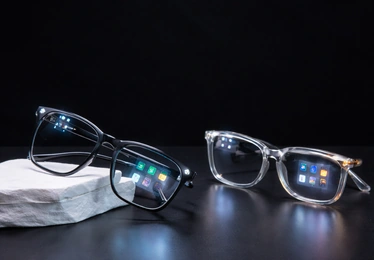
Apple is gearing up to enter the smart glasses market, a move that could completely redefine how we interact with mobile technology. According to the latest reports, the launch of the first Apple Smart Glasses is slated for the turn of 2026 and 2027, with the company already testing several design and functionality variants.
Will this be the next breakthrough product, following in the footsteps of the first iPhone or Apple Watch?
Apple Smart Glasses – What exactly will they be?
The new Apple glasses won’t be your typical AR (Augmented Reality) hardware. Instead, the company is focusing on a more practical solution: a lightweight, everyday device powered by Artificial Intelligence.
This means that:
- We won't see a display directly in front of the user's eyes.
- The glasses will function as an extension of the iPhone.
- The primary interface will be Siri and voice commands.
Functionally, the device is intended to feel like a hybrid of AirPods and the Apple Watch—hardware that operates in the background to support the user in daily tasks.
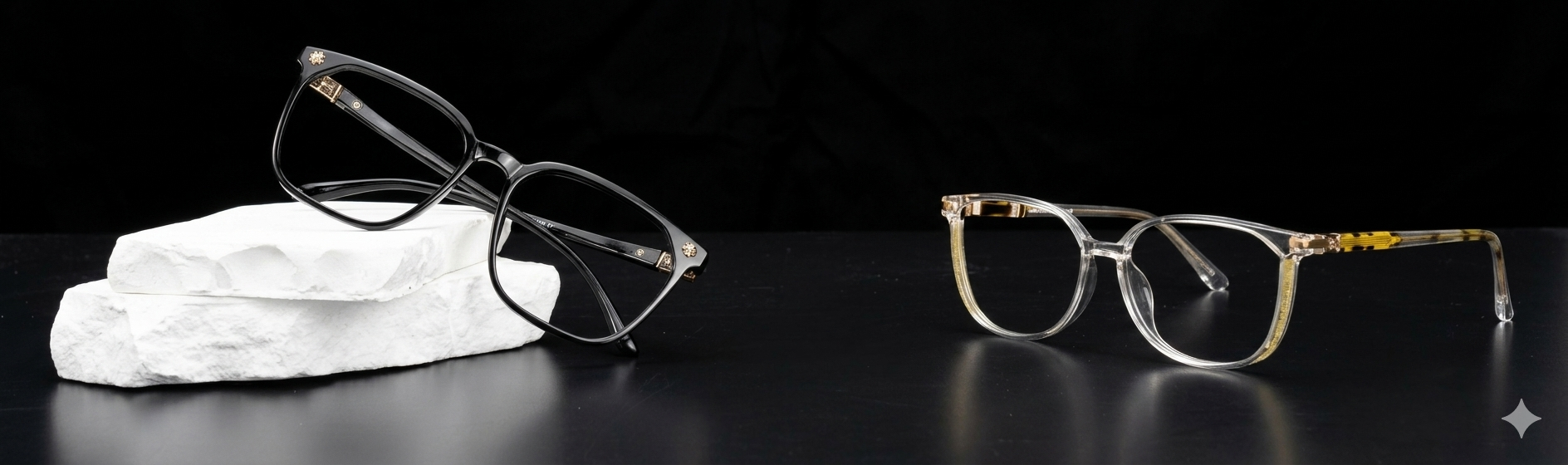
4 Frame Versions – Apple is testing different styles
One of the most intriguing aspects of the project is that Apple is working on several design variants. The company is researching user preferences to ensure the product fits various lifestyles.
Currently, four main frame types are being tested:
- Large rectangular (similar to classic Wayfarers).
- Slim rectangular (more elegant and minimalist).
- Larger oval or round.
- Small, subtle models with a rounded shape.
Additionally, Apple is considering various colorways, including Black, Ocean Blue, and Light Brown. This suggests that, for the first time in its history, the company might launch a single product in multiple style variants right from the start.
Premium Design – Quality and style above all
Apple isn't compromising on craftsmanship. Instead of standard plastic, the glasses are expected to be made from acetate—a premium material well-known in the high-end eyewear industry.
Why does this matter?
- Greater durability
- Better wearing comfort
- A more luxurious aesthetic
- Higher social acceptance (crucial for wearable tech)
Apple wants these glasses to be more than just a tech gadget; they aim to make them a fashion accessory, much like the Apple Watch.
Features of Apple Smart Glasses – What will they do?
Although the first generation will lack an AR display, the functionality still promises to be impressive.
Key capabilities:
- Taking photos and recording video
- Answering phone calls
- Listening to music
- Managing notifications
- Voice control via Siri
- Environmental analysis through AI and computer vision
The glasses will utilize cameras, microphones, and sensors to "understand" the user's context and provide more intelligent responses.
No screen, but massive potential
Interestingly, Apple is intentionally skipping the display in the first version. This is a strategic move designed to offer:
- Lower battery consumption
- Reduced weight
- Better all-day comfort
By focusing on AI and iPhone integration, Apple may create a key differentiator against the competition.
Apple vs. Meta – Rivalry in the smart glasses market
Apple is entering a market already partially occupied by Meta (Ray-Ban smart glasses) and other products from Asia. However, Apple’s strategy is distinct:
- Greater emphasis on design and material quality.
- Deep integration within the Apple ecosystem.
- Advanced onboard Artificial Intelligence.
The company hopes to repeat the "iPhone/Apple Watch scenario"—not being the first to market, but creating the definitive product for its fans.
The AI Ecosystem – Glasses are just the beginning
Apple Smart Glasses are part of a much larger strategy. The company is also working on:
- AirPods with cameras
- AI-driven wearable devices
- Expanded Apple Intelligence
The goal is to create an "intelligent ecosystem" that gathers data about the environment and supports the user in real-time.
When is the Apple Smart Glasses release date?
Currently, the most likely scenario is:
- Announcement: Late 2026
- Market Launch: 2027
Will Apple Smart Glasses change the market?
Everything indicates that Apple wants to redefine a product category once again, this time in the wearable and AI segment. If the company successfully combines polished design, advanced AI, and everyday convenience, these glasses could become the next "must-have" device in the mobile world.
Future Connectivity: Why 5G and eSIM are key to Apple Smart Glasses?
The relationship between smart glasses and 5G data consumption is a topic set to dominate the wearable market by 2027. Since Apple Smart Glasses will act as a direct extension of the iOS ecosystem, their full functionality—from AI environmental analysis to seamless real-time Siri translations—will require uninterrupted, high-speed data transfer.
How will Apple Glasses impact mobile internet usage? Primarily, they will push users toward more efficient solutions. The most convenient option for users will be an eSIM at Lyca Mobile, which allows for instant registration and activation without a physical card. When choosing the best mobile plans for Apple devices, it is worth opting for 5G at Lyca Mobile, which guarantees the low latency necessary for uploading camera footage to the processing cloud. If you are looking for savings without compromising quality, Lyca is currently a top choice for an affordable network for iPhone, offering flexible data packages for wearables that can handle intensive Apple Intelligence usage on the go.
Smart Glasses Market Leaders Comparison (2026-2027)
The following table compares upcoming and current Smart Glasses manufacturers:
| Model | Expected Release | Display | Key Feature / Ecosystem | Weight / Material |
|---|---|---|---|---|
| Rokid Glasses 2026 | Late 2025 | Dual Micro-LED | Snapdragon AR1 Gen 1, Gemini/GPT-5 support | 49g / Ultra-light |
| Meta Ray-Ban (Display) | 2025/2026 | Monocular (Color) | Instagram/FB integration, Reels & Live-stream | ~69g / Plastic |
| Meta Oakley Smart Glasses | 2025 | None (Audio + AI) | Athlete Intelligence, sports stats (Skiing/Snowboard) | Sport style, light frame |
| Apple Smart Glasses | 2027 | None (Audio + AI) | Deep iOS & Siri integration / Premium Acetate | ~45-55g / Acetate |
| Alibaba Quark AI | Available now (Asia) | None (Audio + AI) | Quark assistant optimization, MFi standard support | ~40g / Minimalism |
| Xreal One Pro | 2025 | AR (57° FOV, 120Hz) | Mixed Reality (MR), dual RGB cameras | Tech style / AR focus |
Is it worth the wait?
Apple Smart Glasses are shaping up to be stylish, intelligent, practical, and deeply integrated with the iPhone. While the premiere is still some time away, it’s clear that Apple is preparing a product that could set a new direction for the industry. Currently, the most interesting battle is between these two approaches:
| Feature | Rokid Glasses 2026 | Apple Smart Glasses (2027) |
|---|---|---|
| Primary AI | Google Gemini (Highly intelligent) | Apple Intelligence (Contextual) |
| Display | Yes (Micro-LED, notifications, AR) | None (Likely Audio/AI only) |
| Target Audience | Tech & design enthusiasts, Android users | Design fans, iPhone users |
| Privacy | Apple |